One of the first decisions when marking out a garden is whether to go for a hedge or a fence. Both mark your boundary, add privacy and shape how the space looks, but they behave very differently over time. The right choice depends on your budget, how quickly you need privacy and how much upkeep you are happy to take on, so it is worth weighing up quality garden fencing against a living green screen before you commit.
This guide compares a hedge and a fence on cost, privacy, maintenance, lifespan and the rules you need to know, so you can pick the boundary that suits your home across Devon and the South West.

A fence is an instant, built structure, usually timber or composite panels fixed to posts, that gives you a finished boundary the day it goes up. A hedge is a living barrier of shrubs or trees that you plant and then grow into place over several seasons.
Put simply, a fence gives you speed and certainty, while a hedge gives you a softer, greener boundary that improves with age. Many gardens end up using a bit of both.
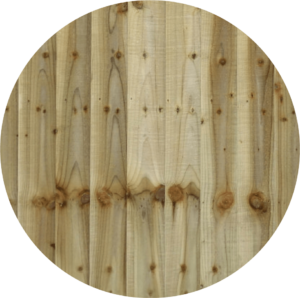
A fence is the go-to choice when you want privacy straight away with minimal fuss. The main strengths and drawbacks are:
A hedge is the choice for anyone who wants a greener, more natural garden and is willing to wait for it to establish. Its pros and cons are close to the mirror image of a fence:
Upfront, hedging plants are usually cheaper to buy than fence panels, especially over a long boundary. A fence, however, is a one-off cost that is finished immediately, while a hedge needs a few years and ongoing care before it does the same job.
Over the full lifetime of the boundary the gap narrows, as fences need occasional repairs or replacement and hedges need regular trimming. The table below sums up how the two compare.
| Factor | Fence | Hedge |
|---|---|---|
| Upfront cost | Higher (panels and posts) | Lower (young plants) |
| Instant privacy | Yes, straight away | No, takes a few years |
| Maintenance | Low | Regular trimming |
| Lifespan | Fixed (timber) to long (composite) | Very long if cared for |
| Wildlife value | Low | High |
| Space needed | Minimal | More ground |
For instant privacy and a clear, defensible edge, a fence wins. It gives a solid, consistent height and a hard barrier that deters intruders and keeps pets and children safely in. Where you want to keep a view rather than block it, such as on a raised deck or a sloping garden, frameless glass balustrades mark the boundary without losing the outlook.
For exposed or coastal gardens, wind matters as much as sightlines. A hedge filters the wind and softens it, whereas a solid fence can create turbulence, so slatted or hit-and-miss panels are often the best compromise. Our guide to Coastal Garden Ideas covers screening for windy sites in more detail.

A fence is the low-effort option day to day. Timber panels need occasional treating and may need replacing after many years, while composite fencing shrugs off the weather and lasts far longer with little more than an occasional wash.
A hedge asks for more of your time, with trimming once or twice a year and feeding while it establishes, but a healthy hedge can outlast several fences and looks better as it matures.
Boundaries are covered by height rules worth knowing before you start. As a general guide, fences and walls next to a highway can be up to one metre high, and up to two metres elsewhere, before you need planning permission.
Hedges are handled under separate high hedges rules. If an evergreen hedge over two metres is blocking a neighbour’s light, they can ask the council to step in. You can read the official detail in the government’s high hedges guidance, and it is always sensible to check with your local authority for anything unusual.
You do not have to choose one or the other. A popular approach is to install a fence for instant privacy and security, then plant a hedge or climbers in front of it to soften the look and add greenery over time.
This gives you the best of both: a finished boundary from day one and a living, wildlife-friendly screen as it grows. A considered landscaping plan makes sure the fence, planting and levels all work together.
If you need privacy now, have a smaller garden or want minimal upkeep, a fence is usually the practical answer. If you have the space, want to support wildlife and are happy to wait and trim, a hedge rewards the patience, and combining the two often suits larger gardens best.
For holiday lets and second homes where the garden is left for weeks at a time, a low-maintenance fence, or a fence with easy-care planting, is normally the sensible choice. Our team offers full landscaping in Devon, and for planting ideas alongside your boundary see our Best Plants For Autumn Colour guide.
We design and build garden boundaries as part of full outdoor transformations across the South West. Here is a recent example.
In Exeter, we delivered a multi-zone garden transformation featuring horizontal slatted timber privacy fence panels, a porcelain patio and a pergola that frame the space beautifully. See the full Exeter garden transformation, or browse more work in our case studies.

Neither is better overall, it depends on your priorities. A fence is best for instant privacy and low maintenance, while a hedge is better for wildlife, wind filtering and a natural look over the long term.
Hedges take a few years to reach full height, need trimming once or twice a year and take up more ground than a fence. They also offer less instant security than a solid barrier.
Bare-root hedging is best planted between late autumn and early spring while the plants are dormant. Pot-grown hedging can go in at most times of year as long as it is watered well during dry spells.
As a general rule, up to one metre next to a road and up to two metres elsewhere. Always check with your local council, as conservation areas and listed properties can have extra restrictions.
Whether you have settled on a fence, a hedge or a combination of the two, we can help you design and install a boundary that looks great and lasts. From fencing and screening to full garden transformations, our team handles it all.
Get in touch through our contact page or email us at info@outdoorhomeimprovements.co.uk to talk through your ideas and arrange a site visit.


