So, you’re contemplating installing a new driveway. The question on your mind is probably whether you need planning permission for it. Well, the answer isn’t always straightforward. Various factors come into play, such as the size of the driveway, the materials you plan to use, and the location of your property. Understanding these nuances can save you from potential headaches down the road.
Let’s explore the ins and outs of driveway planning permission and the next steps for your project.
When considering a new driveway, understanding local planning regulations is crucial. You need to know what planning permission entails, especially for driveways exceeding certain sizes or using impermeable materials. To navigate this process effectively, it’s essential to gather the necessary information and consult with your local planning authority.
When deciding between permeable and non-permeable driveways, it’s essential to consider types such as:
Each material has its benefits and implications regarding planning permission and environmental impact. Understanding the differences between these options will help you make an informed choice that aligns with your needs and local regulations.
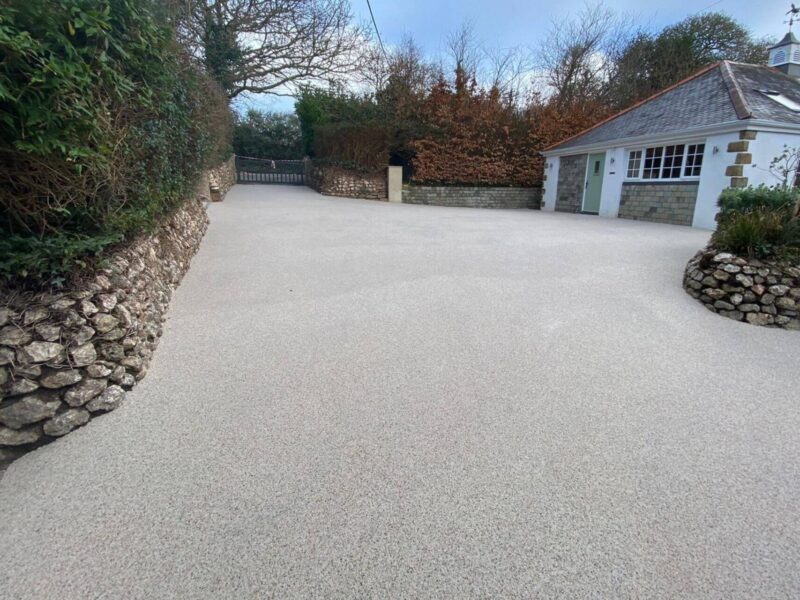
Resin-bound driveways are fully permeable when installed correctly, making them an excellent choice for sustainable and attractive surfaces. Key features of resin-bound permeability:
If you’re considering options beyond resin driveways, exploring the characteristics of concrete and tarmac driveways in terms of permeability can help you make an informed decision for your property. Concrete driveways are generally non-permeable, meaning water cannot easily pass through them. On the other hand, tarmac driveways, although more porous than concrete, still do not offer the same level of permeability as materials like gravel or resin.
When it comes to water drainage and environmental impact, opting for permeable surfaces is more beneficial as they help manage rainwater effectively and prevent flooding. If you’re concerned about planning permission and regulations, choosing permeable materials like gravel, resin-bound paving, or porous asphalt may exempt you from the need for permission in certain cases.


Block-paved driveways can be permeable, but it depends on the type of installation and materials used.
If you’re considering a block-paved driveway, Outdoor Home Improvements can advise on the best solution to ensure durability, aesthetics, and proper drainage for your property.
Gravel driveways are naturally permeable when installed correctly. Gravel allows rainwater to drain through the surface and into the ground below, making it an excellent choice for sustainable drainage.
Key factors for permeability include:

When considering the size and location of your new driveway, it’s crucial to pay attention to dropped kerbs. Ensure proper authorisation is obtained for modifications involving dropped kerbs, as this impacts vehicle and pedestrian access safety. Local regulations govern dropped kerb installations, prioritising compliance with safety standards for a seamless driveway transition.
Installing a dropped kerb for your driveway requires careful consideration of size and location to ensure compliance with local regulations and safety standards.
When planning for a dropped kerb, keep the following key points in mind:
Consider consulting local planning authorities before making modifications to driveways in conservation areas or for listed buildings to ensure compliance with stringent regulations. Conservation areas and listed buildings often have specific rules governing alterations to driveways due to their historical and architectural significance. These regulations aim to preserve the character and heritage of these areas, impacting the design, materials, and overall appearance of driveways.
In conservation areas, any changes to driveways must align with the area’s preservation objectives, focusing on maintaining the unique charm and historical context. Similarly, listed buildings require careful consideration to ensure that any modifications to driveways do not compromise the building’s historic value or architectural integrity.
Local planning authorities can provide guidance on what is permissible and help navigate the intricate process of gaining approval for driveway alterations in these protected areas. Failure to adhere to these regulations can result in fines or the requirement to undo any unauthorised changes.
Planning application fees can vary, with the UK average being around £206, so ensure you budget accordingly. Once you’ve submitted your application and paid the fees, the next steps involve awaiting approval and moving forward with your driveway project. Planning Application Fees Navigating through the planning application process involves understanding the associated fees and requirements. Planning application fees vary depending on the location and scope of the project.
Here are four key points to consider regarding planning application fees:
So, what should you do next after understanding the planning permission requirements for your new driveway? Find a reputable driveway installation company to assist you in navigating the application process smoothly. Consider choosing suitable materials, factor in budget and timeline considerations as you move forward with your project.
To find a reputable driveway installation company, it is essential to thoroughly research and compare various options before proceeding with the application process and fees.
Give the team at Outdoor Home Improvements a call today on 01626 323525 or fill in our contact form to book your free site survey. We look forward to working with you on your driveway project!
To acquire driveway planning permission, ensure compliance with local regulations by consulting your local planning authority. Contact them to verify specific requirements for your property, including documentation needed for the application process. Understanding the regulations will help you navigate the planning permission process smoothly and avoid potential issues. Local planning authorities can provide guidance on whether your proposed driveway design meets the necessary criteria for approval. They can also assist in assessing any potential impact on the environment, neighbouring properties, or traffic flow.
Be prepared to provide detailed information about your driveway plans, such as the materials you intend to use, the size of the proposed driveway, and any alterations to existing features like drop kerbs. By proactively engaging with your local planning authority, you can ensure that your driveway project complies with regulations and moves forward effectively.
| Driveway Project Type | Is Planning Permission Required? |
| The driveway is larger than 5 sqm using non-permeable materials | Planning Permission Required |
| The driveway will change the visibility on the road (ie adding or removing trees, walls or gates) | Planning Permission Required |
| Adding a drop kerb | Planning Permission Required |
| Changing a listed building | Planning Permission / Building Legislation Required |
Curious about the circumstances where planning permission is not required for driveway construction according to local regulations? Here are some instances when you may proceed without seeking planning permission:
| Driveway Project Type | Is Planning Permission Required? |
| The driveway is smaller than 5sqm | Planning Permission Not Required |
| The driveway won’t change the visibility on the road (ie adding or removing trees, walls or gates) | Planning Permission Not Required |
| Drop kerb is already in place, or is not necessary | Planning Permission Not Required |
| Rainwater drains naturally | Planning Permission Not Required |
1. Driveways under five square meters: Small driveways falling below this size typically do not require planning permission.
2. No visibility changes: If your driveway plans do not involve altering visibility through tree removal or wall adjustments, permission may not be necessary.
3. Existing drop kerb: If your property already has a drop kerb in place, you might be exempt from needing planning permission for further driveway modifications.
4. Natural rainwater drainage: Utilising materials like resin bound or resin that facilitates natural rainwater drainage can often bypass the need for planning permission.
Why is planning permission crucial when considering local planning regulations for driveway construction? Planning permission is essential as it ensures compliance with local authorities’ regulations regarding driveway planning permission. Before proceeding with any driveway construction, it is important to determine whether you need planning permission for a driveway based on your property’s location and the type of driveway you intend to build.
Consulting with your local planning authority is key to understanding the specific regulations that apply to your situation. By obtaining the necessary planning permission, you can avoid potential fines and disputes while ensuring that your driveway meets all legal requirements.
Understanding the regulations surrounding driveway planning permission is vital to a smooth and successful construction process, so be sure to clarify any uncertainties with your local authorities before commencing any work.


